Talk to a Head Lice Expert 1-888-LICE SQUAD
542-3778





#1 Doctor Recommended
I Need Service I Need Products"As a family physician with a general family practice for 25 years, I have always felt uncomfortable diagnosing and treating lice. I am very impressed with Lice Squad. They have an excellent set up diagnosing and treating head lice which is a condition that causes stress and concern in families." - Dr. Norman Kalyniuk


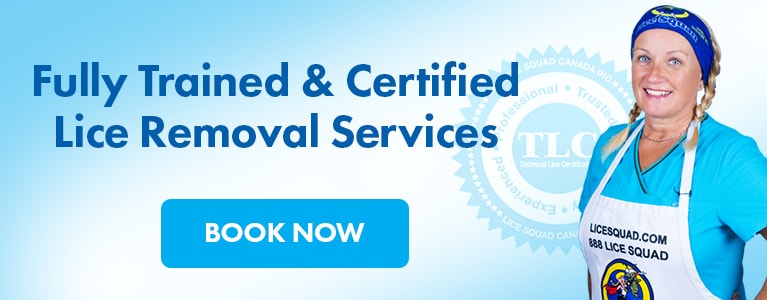
All of our lice removal specialists are
trained & certified in our exclusive TLC method

Can't Come to Us?
We come to you
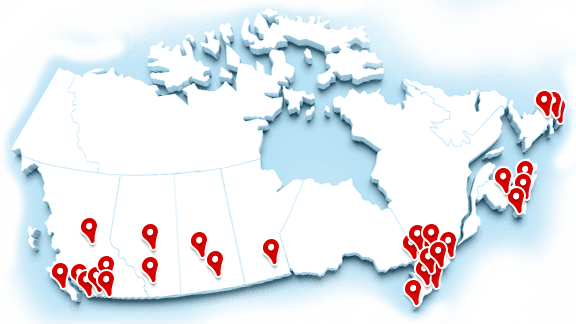
Click here to find your nearest location.


Book Early Check Ahead Program Dates Fill up Fast!
Learn MoreVoted Best in the Industry!

Report an outbreak!



PSST...Did you know that Lice Squad is Recruiting! Click here to learn more.
I am totally impressed by how thorough Lice Squad Canada is in providing families with the most accurate information and tools they need to learn how to properly detect, treat and prevent Lice using safe and non-toxic methods. Furthermore a thoughful, caring and compassionate manner is consistent in the delivery of their services which will without a doubt bring comfort and relief to families who are in the midst of trying to overcome the stress involved with dealing with lice. Lice Squad Canada offers a truly reliable and effective lice treatment service. As both a naturopathic doctor and a mother, I highly recommend Lice Squad Canada.
Christine (Naturopathic Doctor and Mother)
February 2014








We give a portion of product sales, donations from free head checks, and Head Lice Awareness month to Youth Haven, Children’s Aid Foundation and Ronald McDonald House.
You are being directed to our authorized distribution site for product purchase. Please wait a moment...